Stroke
-
Advanced stroke care at Cortex Neurovascular—rapid diagnosis, thrombectomy, and life-saving treatment when every minute matters.

01
Understanding Stroke
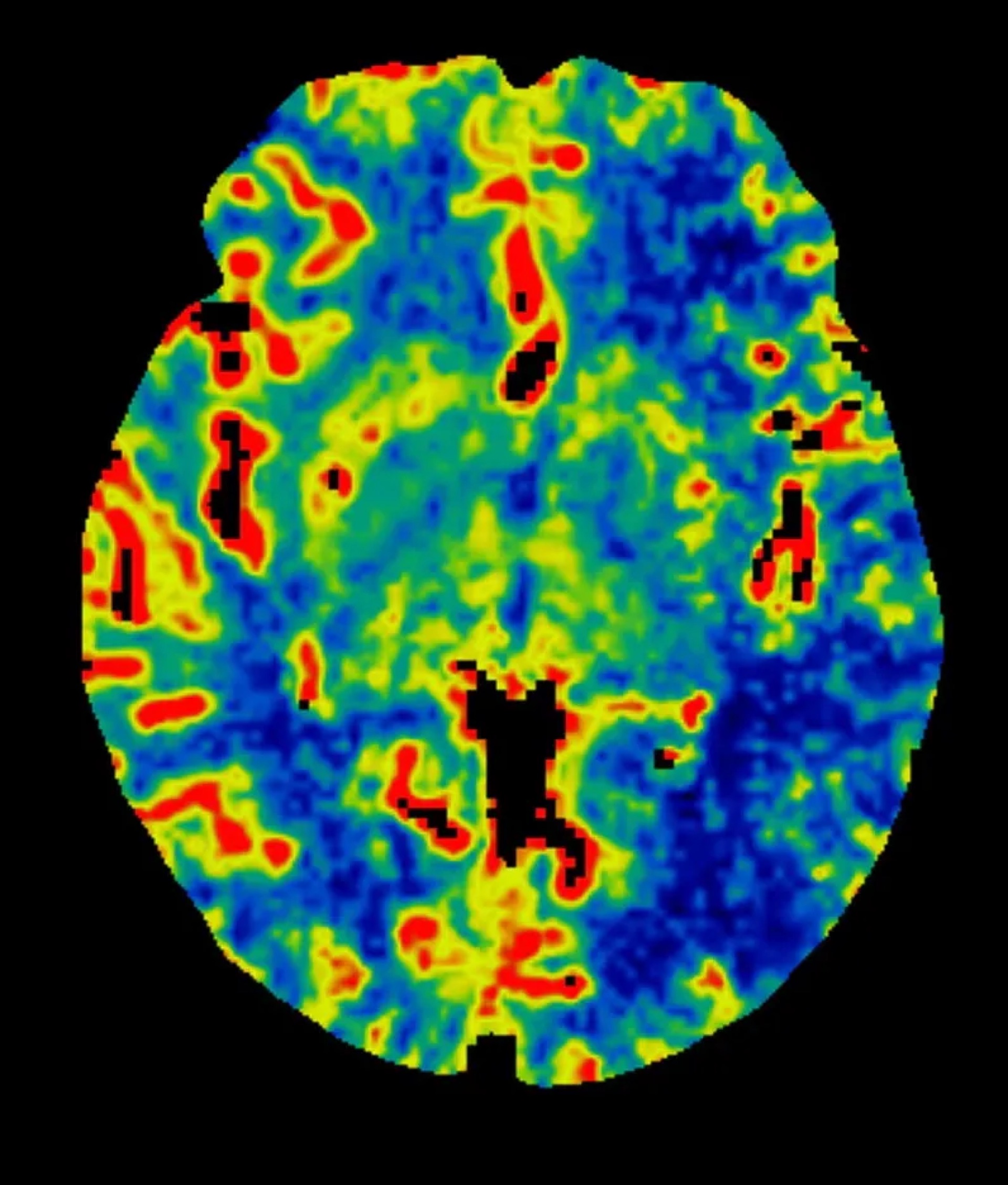
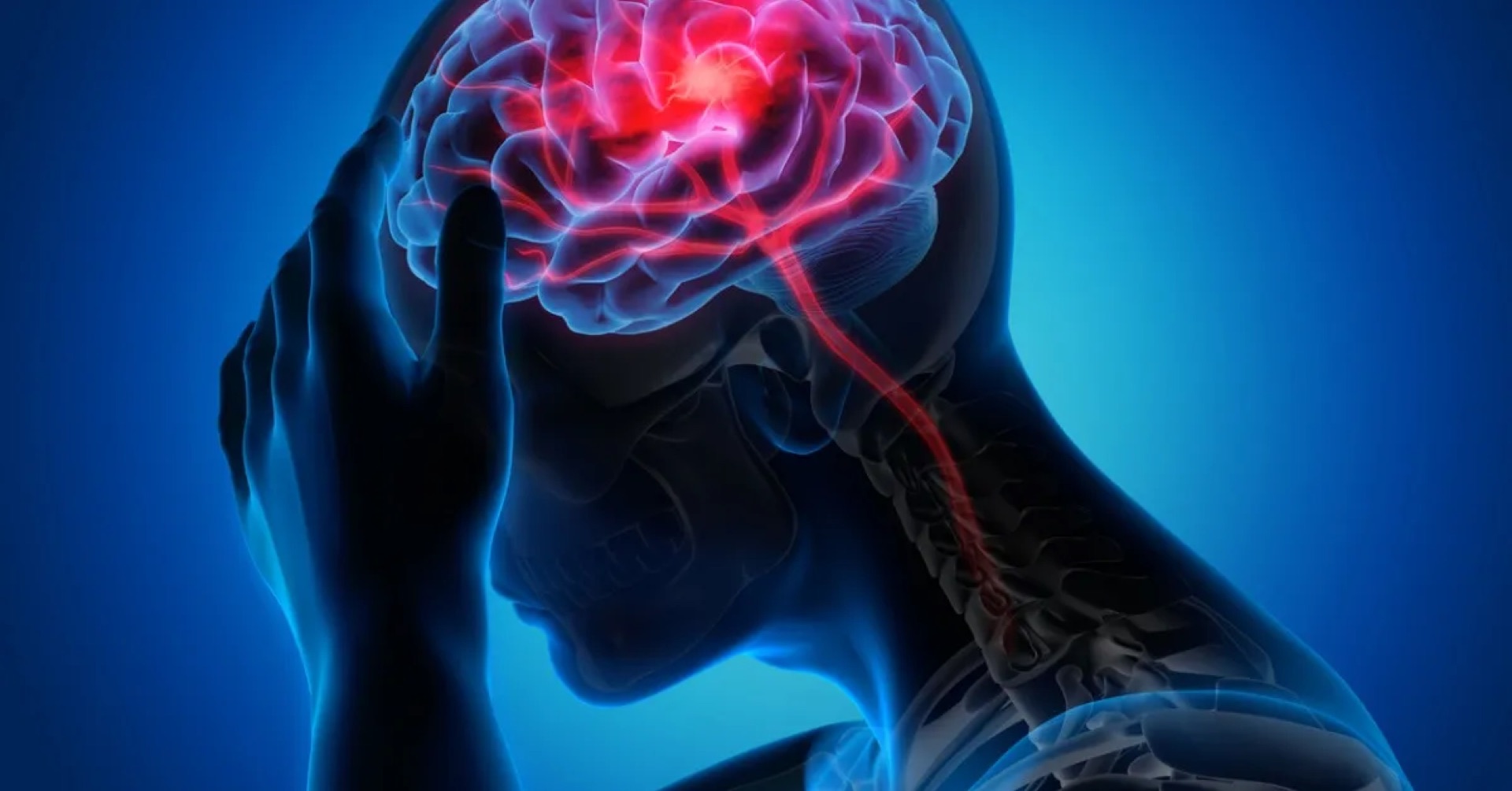
A stroke occurs when the blood supply to part of the brain is interrupted or reduced, preventing brain tissue from getting oxygen and nutrients. Strokes can lead to significant health issues or even death. There are two main types of stroke: ischemic, caused by blocked arteries, and hemorrhagic, caused by bleeding into the brain.
02
Immediate Action
Time is of the essence in treating stroke. The faster a stroke is treated, the better the chances are for recovery. Recognizing the signs of stroke early and seeking immediate medical attention can significantly impact the outcome. If you or a loved one is showing signs of a stroke call 911 immediately and go to the nearest ER where potentially life saving treatments, including stroke thrombectomy may be offered.


03
What is Thrombectomy?
Thrombectomy is a groundbreaking procedure used to treat ischemic strokes. It involves the removal of a blood clot from the brain's arteries, restoring blood flow and oxygen to the affected area. This minimally invasive procedure is performed by vascular specialists using advanced imaging technologies and instruments.
04
Expertise in Stroke Treatment
At Cortex, our neurovascular experts are at the forefront of cutting-edge stroke treatment, combining unparalleled expertise with the latest advancements in medical technology. Our team of highly skilled specialists is dedicated to providing innovative and effective solutions for stroke care, ensuring the best possible outcomes for our patients.

How Thrombectomy Works

-
Accessing the Blood Vessel: The surgeon inserts a catheter (a thin, flexible tube) into an artery, usually through a small incision in the groin.
-
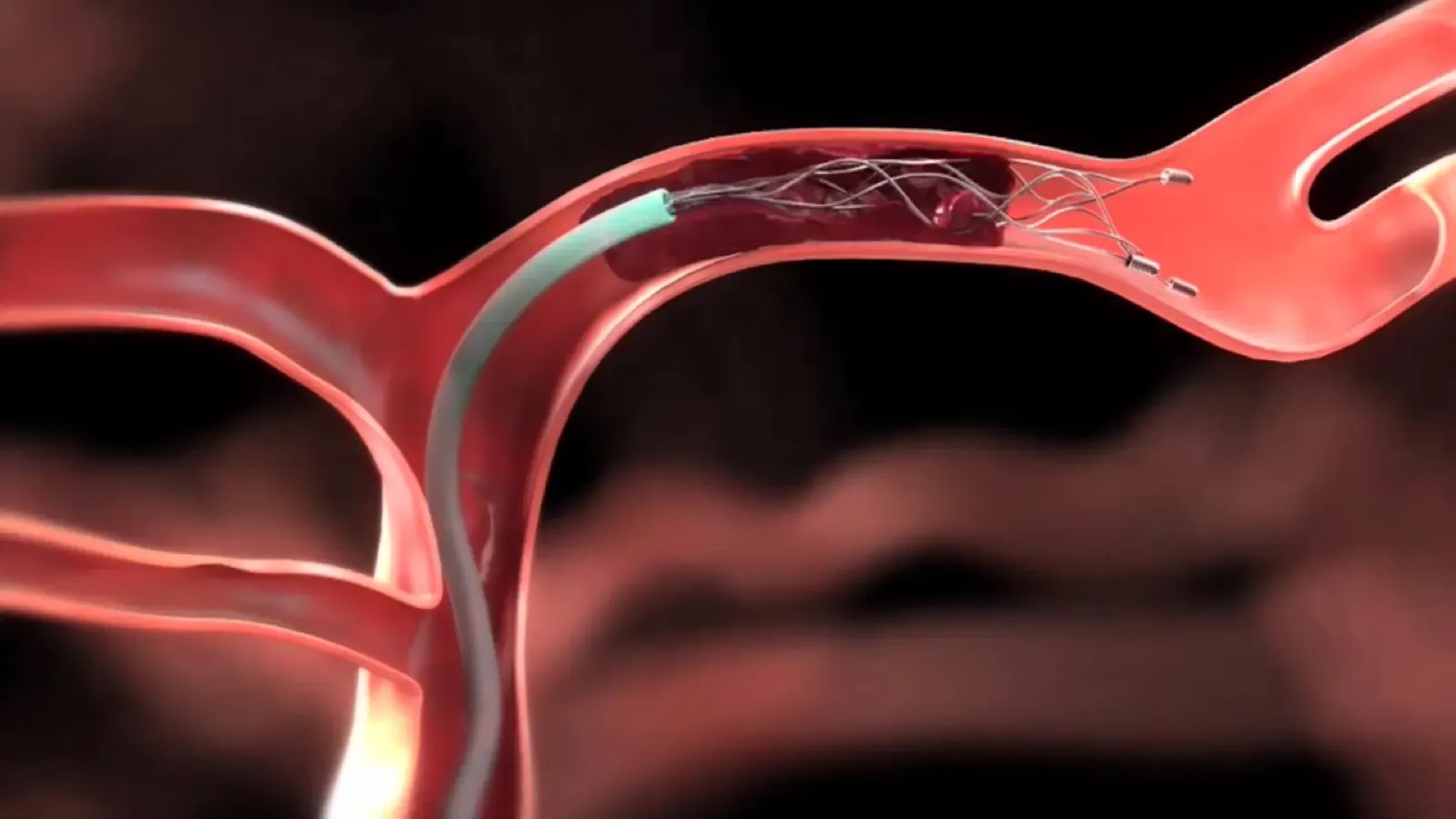
Navigating to the Clot: Guided by real-time X-ray imaging, the catheter is carefully navigated through the body's vascular system to the brain, reaching the blocked artery.
-
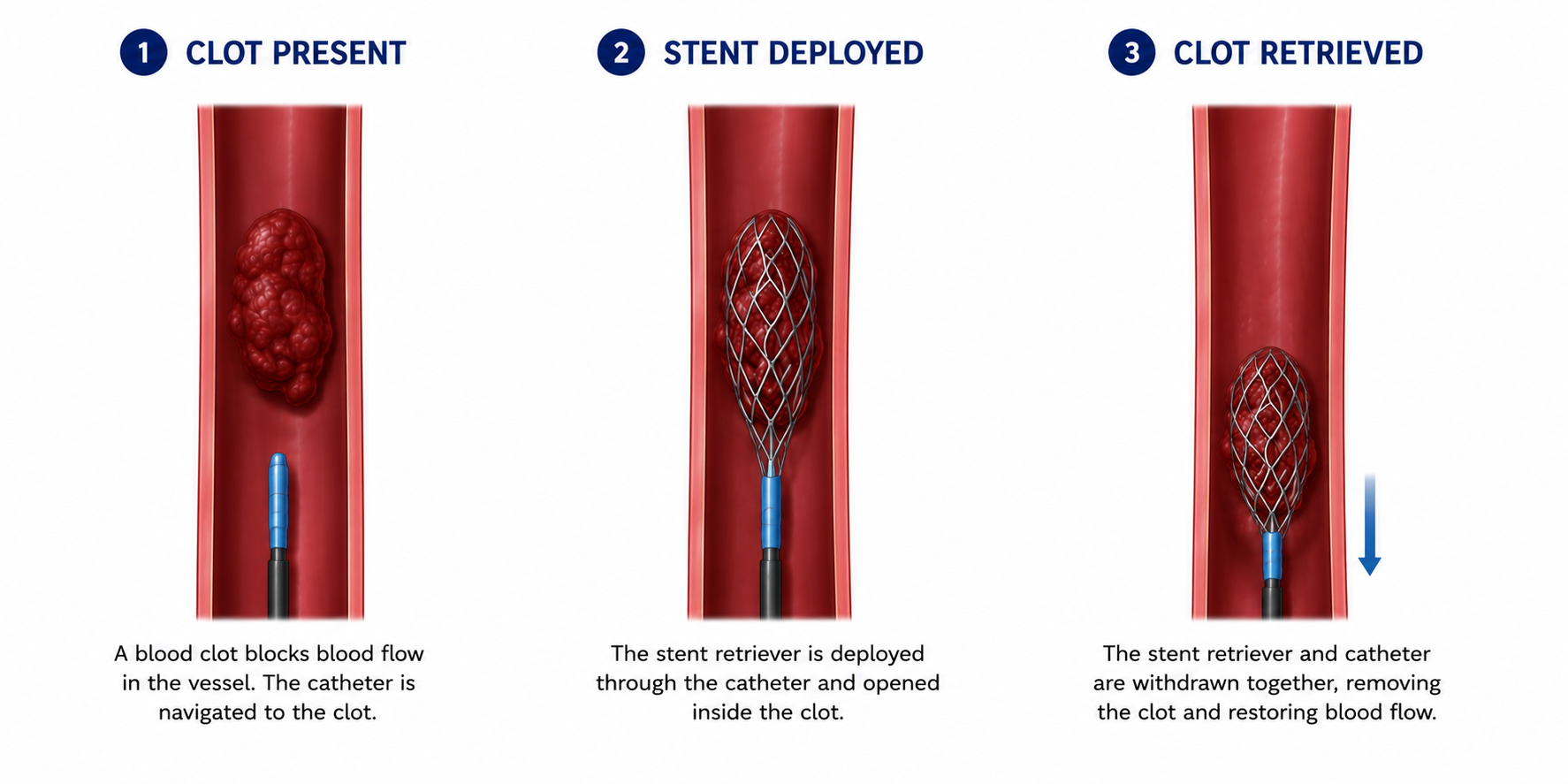
Clot Removal: Once at the site of the obstruction, a specialized device, such as a stent retriever or aspiration catheter, is used to capture and remove the clot. In the case of a stent retriever, the device is expanded to ensnare the clot, which is then withdrawn along with the catheter. Aspiration involves applying suction to the catheter to pull the clot out.
-
Restoring Blood Flow: With the clot removed, blood flow to the affected area of the brain is immediately restored. This rapid reperfusion is crucial in minimizing brain damage and improving the patient's chances of a successful recovery.

The Benefits of Thrombectomy
-
Improved Outcomes: Thrombectomy has been shown to significantly improve functional outcomes in patients with ischemic stroke, reducing disability and enhancing quality of life.
-
Extended Treatment Window: Unlike clot-busting medications, which typically must be administered within a 4.5-hour window from symptom onset, thrombectomy can be effective up to 24 hours after symptom onset for select patients, expanding the opportunity for treatment.
-
Reduced Risk of Complications: As a minimally invasive procedure, thrombectomy carries a lower risk of complications compared to open surgery and has been proven safe and effective through extensive clinical trials.

Who is Eligible for Thrombectomy?
-
Not all stroke patients are candidates for thrombectomy. Eligibility is determined based on factors such as the type and location of the blood clot, the time elapsed since symptom onset, and the patient's overall health.
-
Our team at Cortex, working closely with comprehensive stroke centers at Tacoma General Hospital and SJMC, evaluates each case to determine the most appropriate treatment plan.

Preventing the Next Stroke: Carotid Artery Stenting
-
While mechanical thrombectomy treats an active stroke by removing a clot, many strokes are caused by severe narrowing of the carotid arteries — the main blood vessels supplying blood to the brain.
-
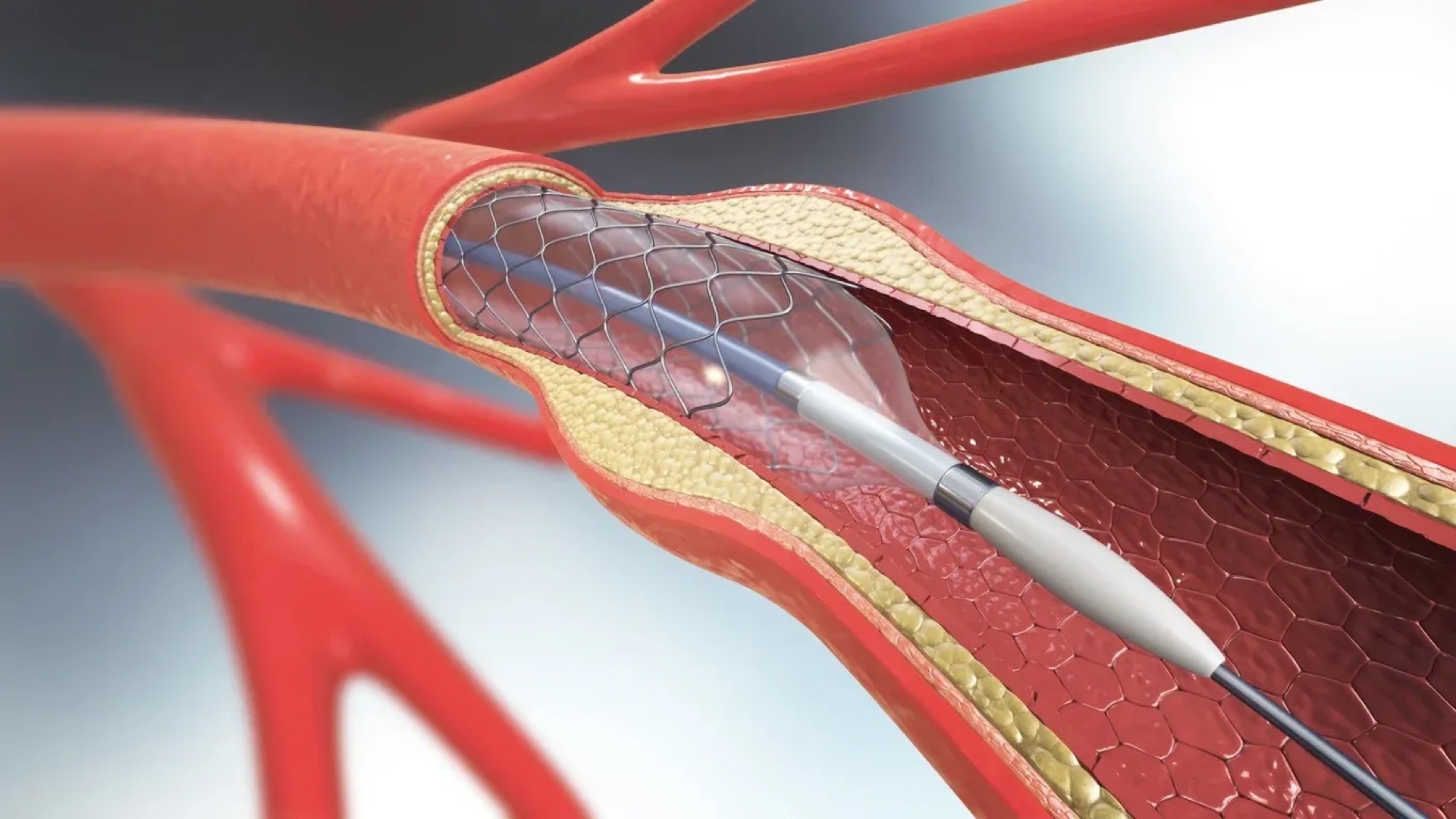
When plaque buildup significantly restricts blood flow or sends small clots to the brain, carotid artery stenting can help reduce future stroke risk.
-
During this minimally invasive procedure, a catheter is guided to the narrowed carotid artery. A small mesh stent is placed to open the vessel and restore healthy blood flow to the brain. In selected patients, carotid stenting offers an effective alternative to open surgery.