EPISTAXIS CARE

Epistaxis Embolization

Minimally invasive endovascular treatment for severe, recurrent nosebleeds that won't stop with conventional management.

Understanding

Understanding Epistaxis

Epistaxis — the medical term for nosebleeds — is extremely common, with most episodes being minor and self-limiting. However, some nosebleeds are severe, recurrent, or impossible to control with standard measures such as nasal packing or cautery. These intractable nosebleeds can be dangerous and may require specialized intervention.

Severe epistaxis can result from trauma, tumors, vascular malformations, hereditary conditions (such as Hereditary Hemorrhagic Telangiectasia / HHT), anticoagulant use, or hypertensive crisis. When traditional treatments fail or are not appropriate, endovascular embolization provides a highly effective alternative.


Understanding Epistaxis
Symptoms

When Is Embolization Needed?

Most nosebleeds are minor and resolve on their own with simple pressure. However, embolization may be the right treatment when:

Nosebleeds lasting more than 20 minutes despite continuous pressure
Recurrent nosebleeds requiring multiple ER visits
Nosebleeds from a known vascular tumor (e.g., juvenile nasopharyngeal angiofibroma) or vascular malformation
Nosebleeds in patients on blood thinners who cannot stop the bleeding
Posterior nosebleeds — blood draining down the back of the throat
Nosebleeds after nasal surgery or trauma that continue to hemorrhage
Nosebleeds related to HHT (Hereditary Hemorrhagic Telangiectasia)
When is epistaxis embolization needed
Treatment

Endovascular Treatment: Epistaxis Embolization

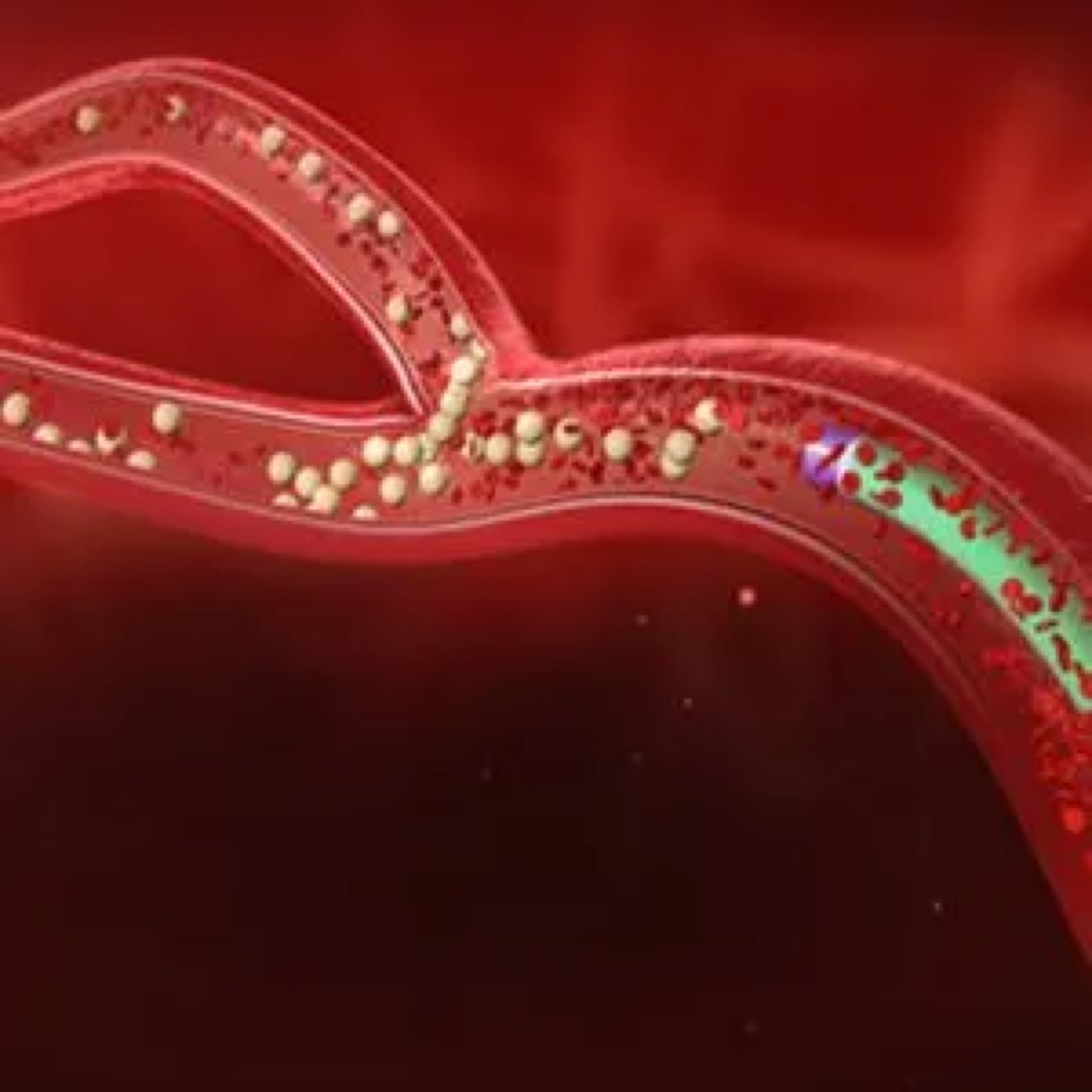
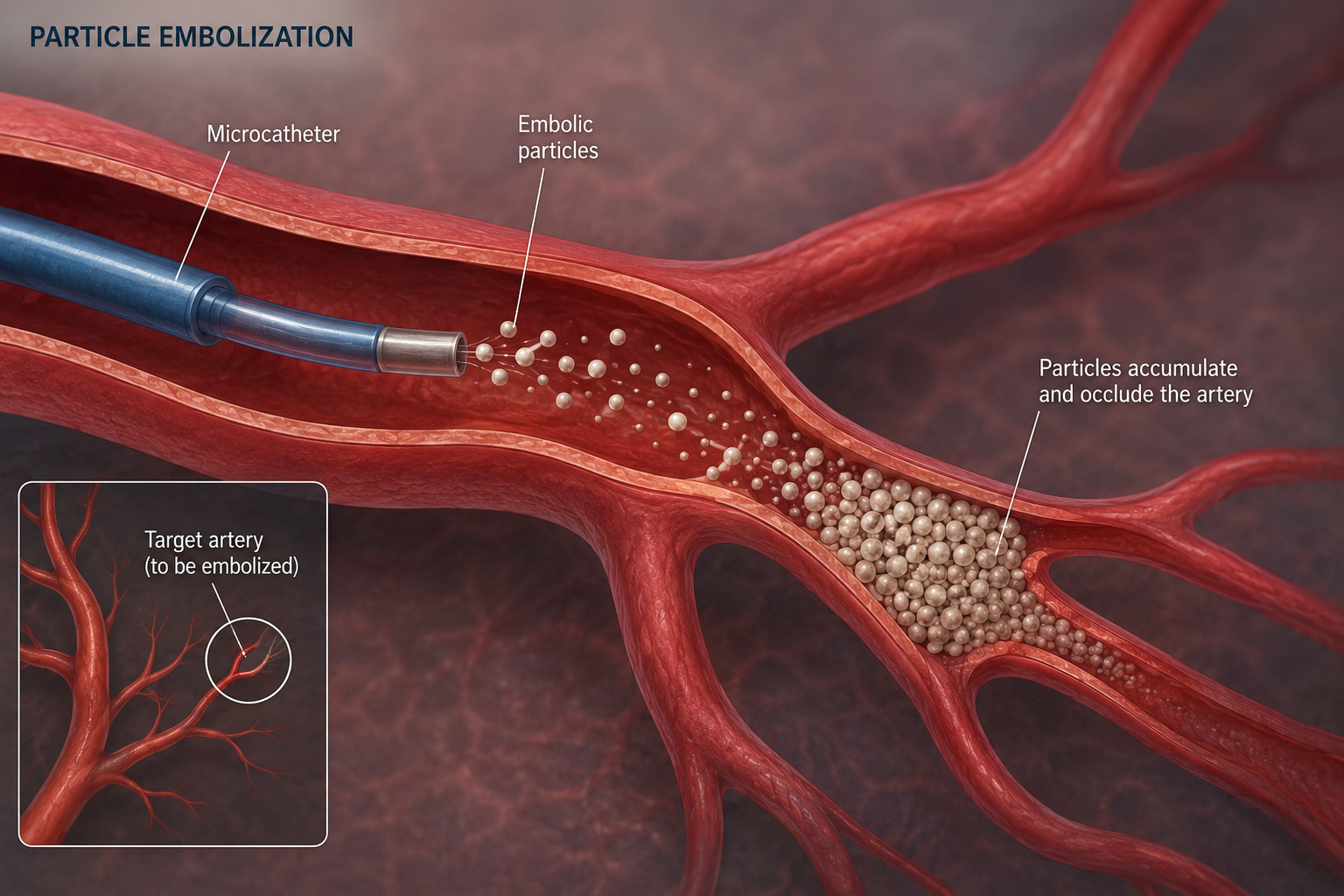
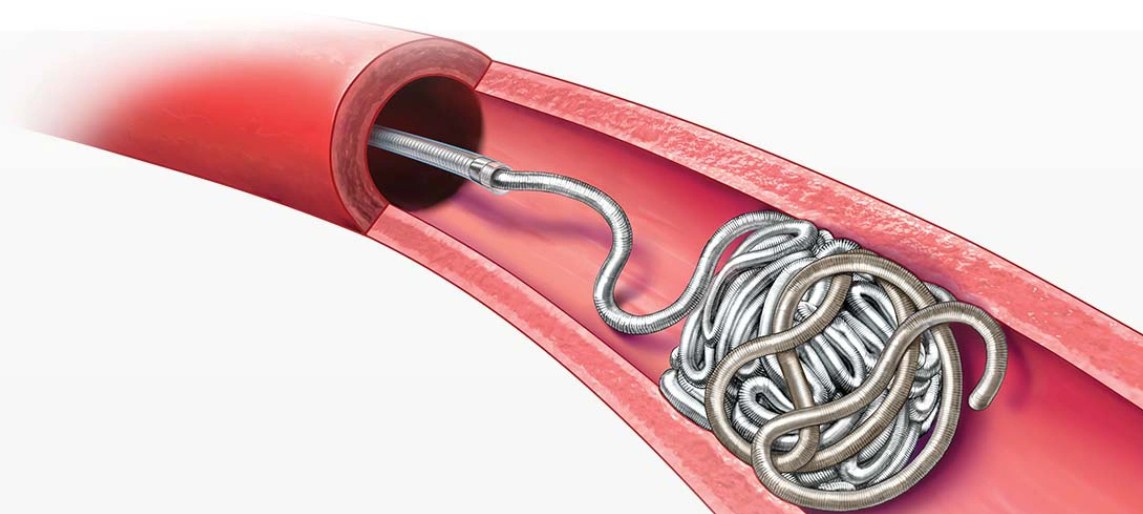
Epistaxis embolization is a minimally invasive procedure that targets the blood vessels supplying the nasal cavity. By selectively blocking these vessels from the inside using tiny particles or coils delivered through a catheter, bleeding is stopped at its source — without the need for surgery or nasal packing.

Particle Embolization
Procedure

The Embolization Procedure

1
Diagnostic Angiography
A catheter is inserted through an artery in the wrist or groin and guided to the blood vessels supplying the nasal cavity. Contrast dye is injected to create detailed X-ray images of the bleeding vessels and identify the precise source of hemorrhage.
2
Vessel Selection
Using the roadmap provided by angiography, the interventionalist navigates a microcatheter into the specific branches of the maxillary artery (internal maxillary artery) and/or facial artery that are responsible for the bleeding.
3
Embolization
Tiny embolic particles (typically polyvinyl alcohol or gel foam) are carefully injected through the microcatheter to block the bleeding vessels. In some cases, small coils may also be deployed for additional vessel occlusion.
4
Verification & Recovery
Follow-up angiographic images confirm that blood flow to the bleeding area has been successfully reduced or eliminated. The catheter is removed, and patients are observed overnight before discharge.
Epistaxis embolization procedure
Benefits

Benefits of Embolization for Epistaxis

Highly effective — controls bleeding in over 90% of cases
Minimally invasive — no facial incisions or nasal surgery
Can be performed on an emergency or elective basis
No need for uncomfortable nasal packing
Short procedure time — typically under two hours
Quick recovery — many patients go home the same or next day
Can be repeated if needed for recurrent episodes
Particularly effective for patients with HHT or vascular malformations
Benefits of epistaxis embolization
Frequently Asked Questions

Nosebleed questions, answered

Related Conditions

Dealing with recurrent, severe nosebleeds?

Embolization can provide lasting relief. Contact our team for an evaluation.